Learning by doing
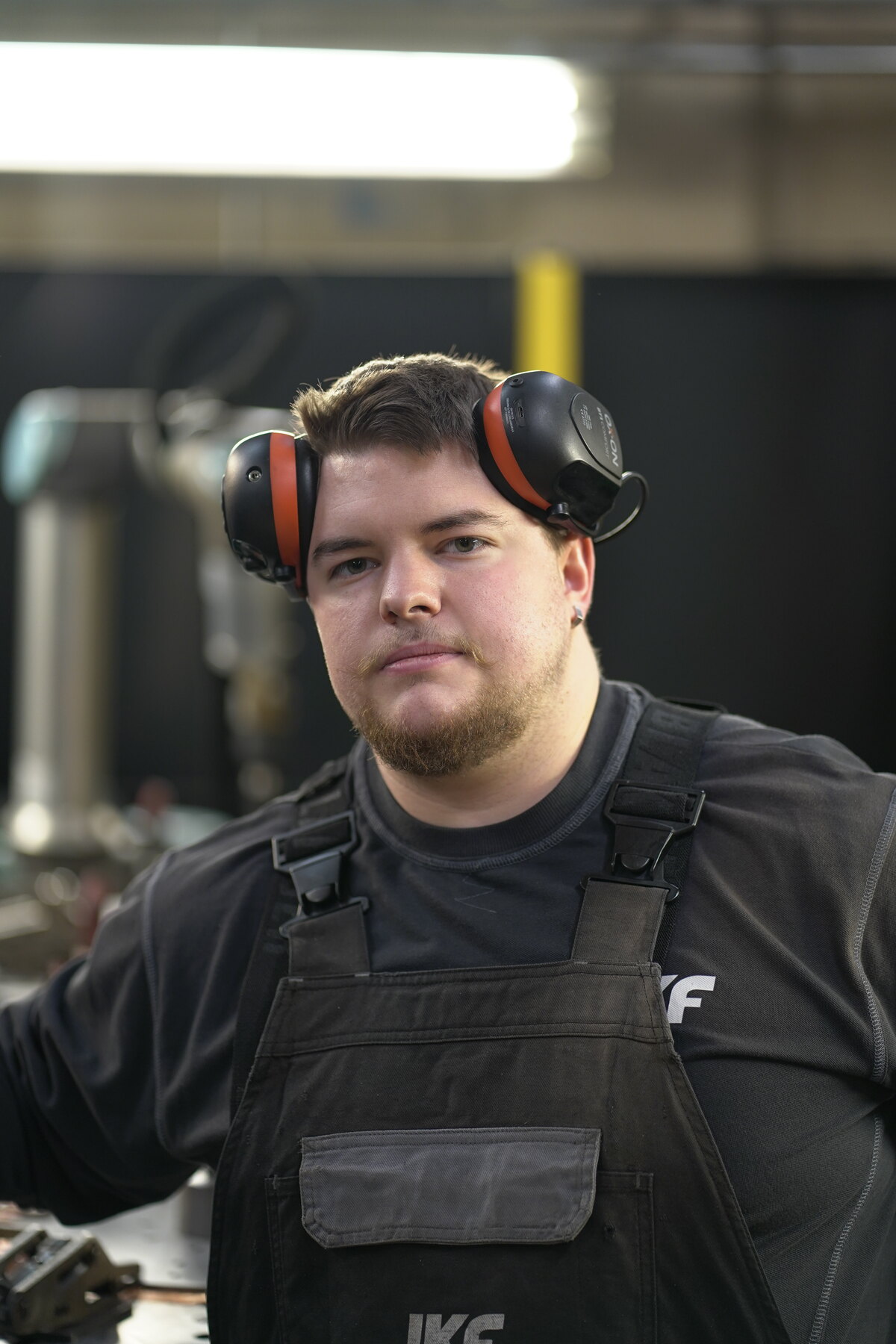
Welding, bending, automation and robot programming. For apprentice Mads, becoming a skilled metalworker is about much more than learning one process.
A practical and technological journey
A technical apprenticeship at NEU-JKF Nordic gives students the opportunity to combine the theory they learn at school with hands-on experience in an industrial production environment.
For Mads, that has meant working with everything from welding and fabrication to more advanced technology and automated manufacturing processes.
More machines. More opportunities to learn.
One of the things Mads particularly values is the variety of equipment and processes available.
NEU-JKF Nordic's production environment gives apprentices access to equipment that they may not necessarily encounter during their time at school.
That means there is room to explore different production methods and build a broader understanding of modern manufacturing.
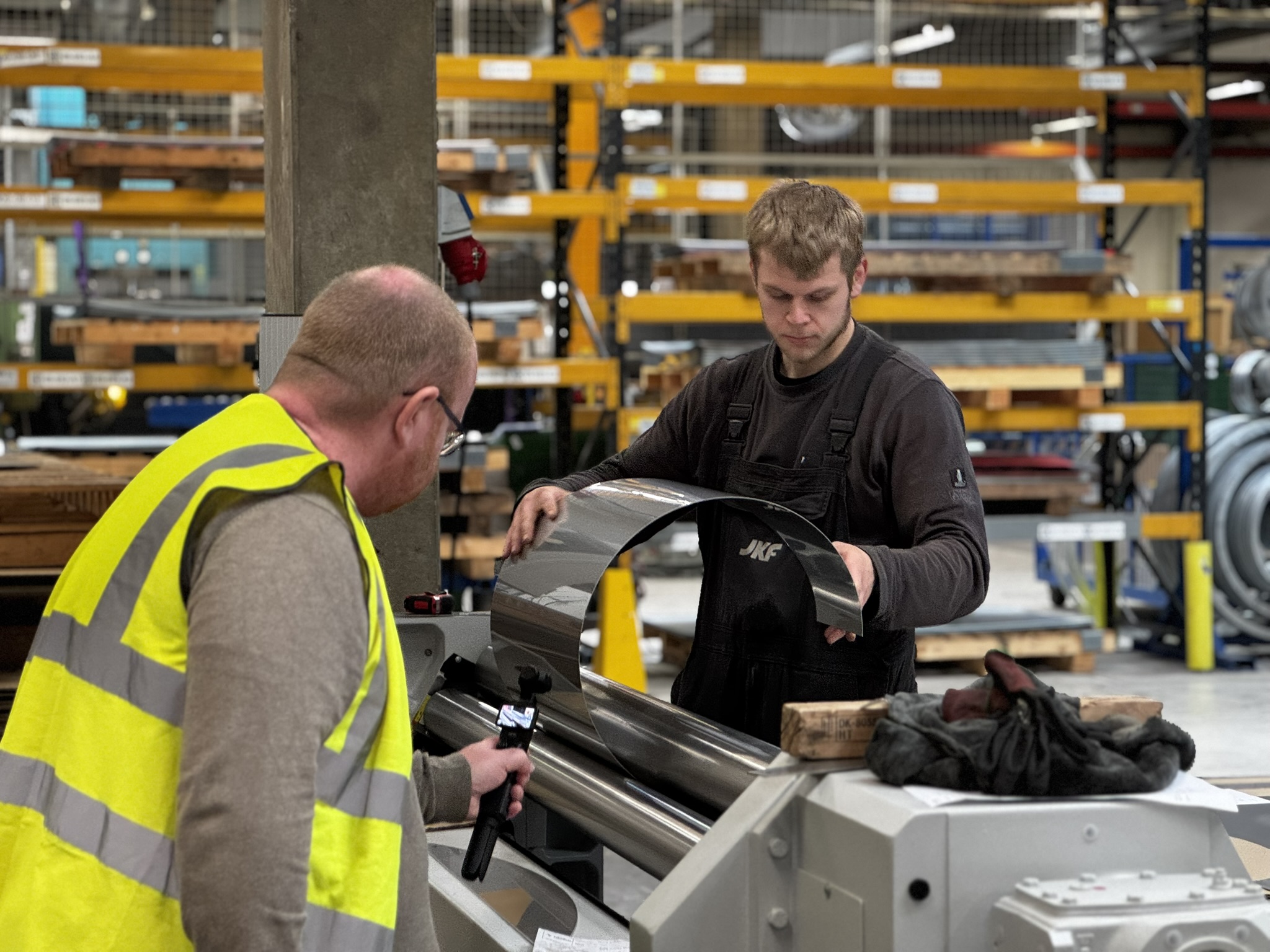
“We have so many things here that you can learn. I really notice that when I’m at school. Not every workplace has equipment like rollers and bending machines.”
From day one, I have had the chance to try many different things, and that has been great. I have spent a large part of my time here welding and building things.
From welding to automation
Traditional craftsmanship remains an important part of the job, but modern industrial production increasingly combines those skills with technology.
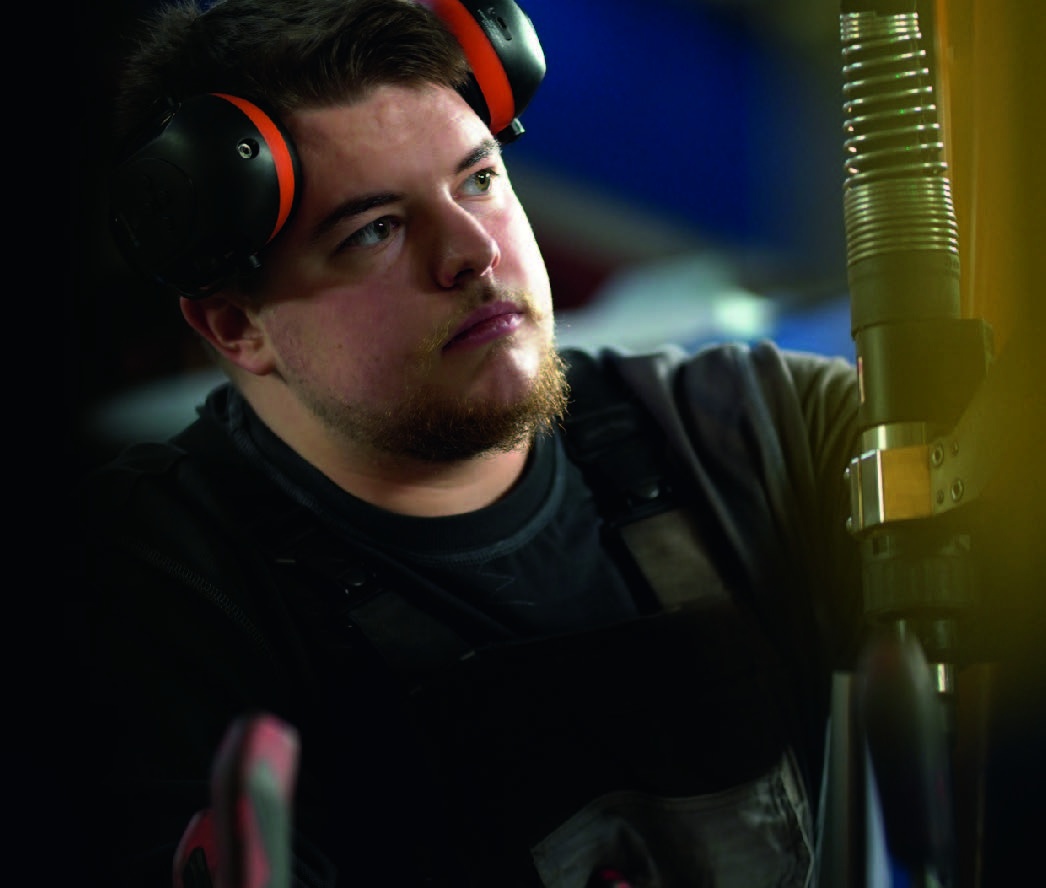
During his apprenticeship, Mads has gained experience with advanced welding as well as technologies such as collaborative welding equipment and robot programming.
It gives apprentices an opportunity to understand both the craftsmanship behind the products and the technology shaping the future of manufacturing.
Learning from experienced colleagues
Machines and technology are only part of an apprenticeship.
Learning from other people is just as important.
Apprentices work alongside experienced skilled workers who can answer questions, demonstrate techniques and help when a new task becomes challenging.
At the same time, apprentices learn from each other and become part of the everyday production team.
The goal is to create an environment where it is safe to ask questions, try new things and gradually become more independent.
An education with many possibilities
A metalworker apprenticeship typically takes around three to four years and combines practical training with periods at school.
The result is not only a recognised qualification but a broad set of technical skills that can open the door to many different roles within modern manufacturing.
Where opportunities exist, NEU-JKF Nordic wants talented apprentices to have the opportunity to continue developing their careers within the company.